Sponsored - The following content is created on behalf of UnityPoint Health – St. Luke’s Hospital and does not reflect the opinions of Gray Media or its editorial staff. To learn more about UnityPoint Health – St. Luke’s Hospital, visit https://www.unitypoint.org
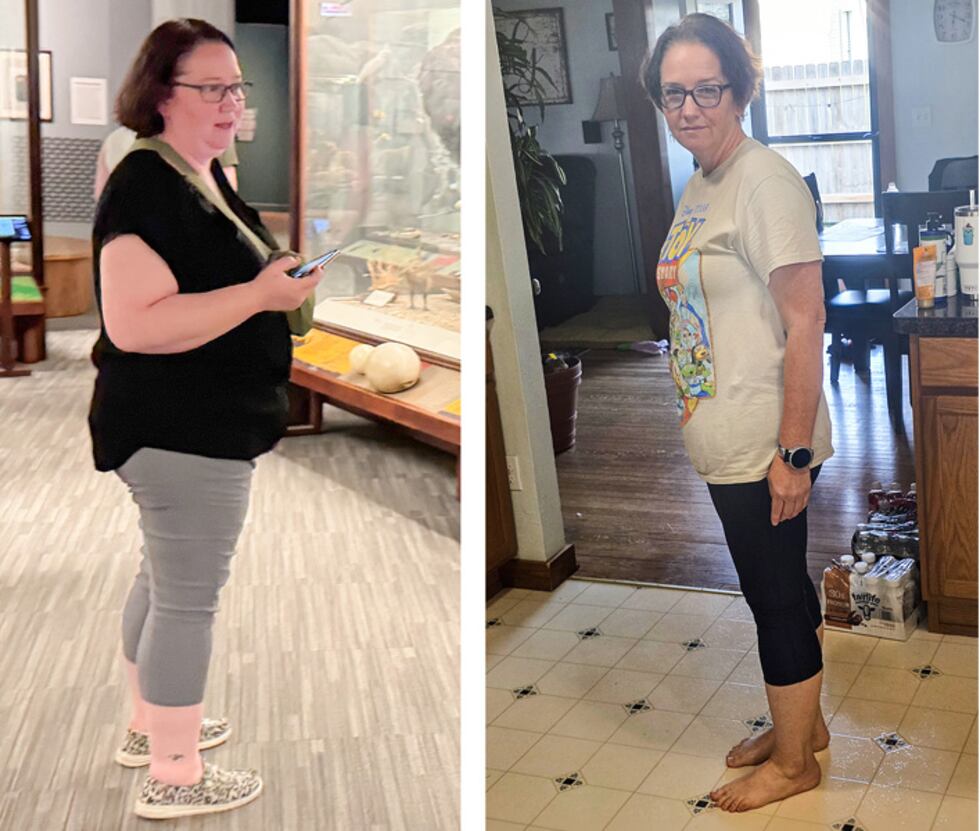
For several years, Bobbie Cox felt uncomfortable in her own skin. She was experiencing knee pain, despite having knee surgery a year earlier, and found it increasingly difficult to be active, especially keeping up with her four children. She wanted to lose weight. Seeing the success a friend had with weight loss surgery, Cox decided to have a procedure to improve her own health.
“I tried losing weight many times on my own,” 45-year-old Cox shares. “I had been somewhat successful, but it always resulted in me gaining it back. I usually ended up heavier than when I started.”
Cox contacted Rebecca Milburn, MD, with Physicians’ Clinic of Iowa, who performs bariatric (weight loss) surgery at UnityPoint Health – St. Luke’s Hospital.
Thorough Prep for ‘No Surprises’
“Bobbie qualified for bariatric surgery because of her body mass index (BMI),” explains Dr. Milburn, who says insurance companies often cover weight loss surgery if a patient meets certain criteria. Currently, the requirements are a BMI over 40, or a BMI between 35 and 40 with another diagnosis such as type 2 diabetes, uncontrolled blood pressure, sleep apnea or joint pain.
Before surgery, Dr. Milburn has patients complete an online questionnaire. Then, after a consultation to understand their wishes, lifestyle needs and medical history, she recommends a treatment plan. That may include lifestyle changes, medication, surgery or a combination of approaches. If a patient chooses to go forward with surgery, Dr. Milburn has patients meet with a dietitian from UnityPoint Clinic – Healthy Living Clinic, work with a psychologist, and undergo tests so she can inspect the health of the esophagus, stomach and small intestine.
“We want to make sure there are no surprises at the time of surgery,” Dr. Milburn says. “We also want to ensure patients have good coping skills, are realistic about what it might look like after surgery and identify any stumbling blocks.”
Minimally Invasive, Robotic-Assisted Surgery
There are several options when it comes to bariatric surgery. Some involve rerouting (bypassing) parts of the stomach or intestine, stapling off a portion of the stomach or removing part of it. Cox chose to have a gastric sleeve procedure, which involves removing 80% of the stomach.
Dr. Milburn performed the procedure at St. Luke’s using the da Vinci Xi robotic surgery system. Robotic-assisted surgery requires smaller incisions and often leads to less pain, shorter hospital stays and a quicker return to normal activities. St. Luke’s was the first hospital in Cedar Rapids to acquire and offer robotic surgery and recently celebrated its 20th anniversary performing robotic procedures.
Cox spent two nights in the hospital. Afterward, she followed a diet that included clear liquids, gradually transitioning to pureed, soft and solid foods over several weeks as her body adjusted.
According to Dr. Milburn, gastric sleeve surgery helps reduce hunger because it removes the portion of the stomach that contains hunger hormones. She says most patients lose a significant portion of their excess body weight within one to two years post-surgery.
“With the gastric sleeve, we’re not just making the stomach smaller,” she says, “It’s a concrete way to make metabolic changes and reset how hungry the patient feels. That typically reduces cravings and helps them feel full.”
Weight Loss Leads to Several Health Benefits
Cox is one of many patients who found this to be true. Within eight months, she lost nearly 90 pounds and went from a size 2XL to a medium. She also noticed a difference in her activity level and overall health.
“My knees have been fantastic,” Cox reports. “I’ve been walking more, and I use the stairs at work without thinking about it. I was also able to come off blood pressure medication, I’m no longer pre-diabetic and my cholesterol and other labs are normal.”
Cox says her family has a high rate of heart disease and stroke, which was also part of the reason she wanted to improve her health. She encourages others struggling with weight loss to consider bariatric surgery.
“Anyone who says it’s the ‘easy way out’ is wrong,” Cox says. “It’s no different than any other tool a person uses, be it diet or medication, and it’s a lifelong commitment. You still have to change how you eat, control portion sizes and exercise. I’ve seen a lot of success. I love the fact I no longer need medication. Every day I feel better, more comfortable in my own skin. It’s absolutely worth it.”
Patients are encouraged to talk with their family healthcare provider for the best way to approach weight loss. Those considering weight loss surgery are invited to attend St. Luke’s FREE Bariatric Wellness Community meetings the second Tuesday of every month.
Learn more about bariatric surgery or find a bariatric surgery physician near you.
