Sponsored - The following content is created on behalf of Mercy Medical Center and does not reflect the opinions of Gray Media or its editorial staff. To learn more about Mercy Medical Center, visit mercycare.org.
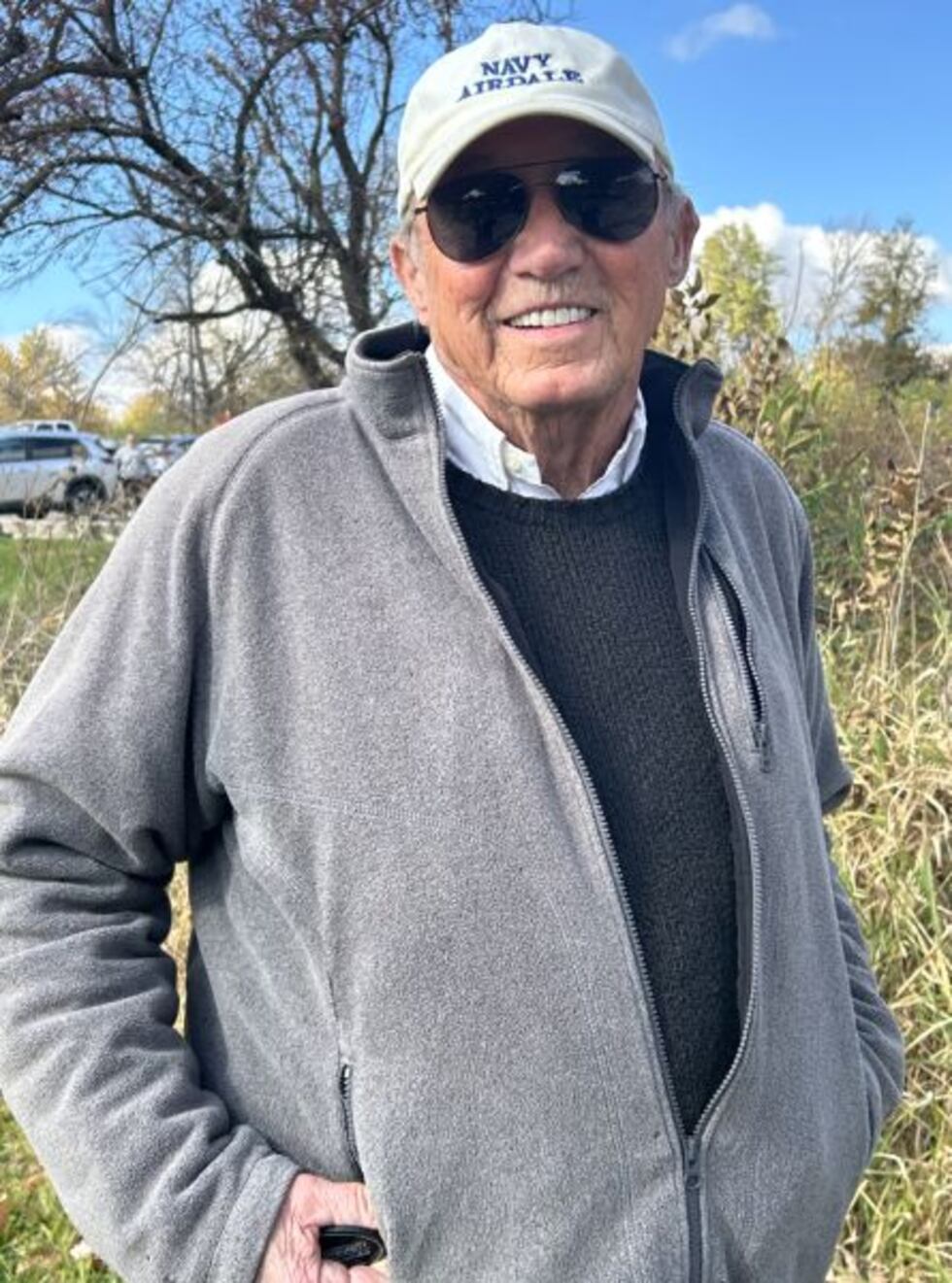
When Larry Allen’s primary care doctor at MercyCare Prairie Creek suggested he get screened for lung cancer because of his smoking history, his first instinct was to say no.
“Dr. Mounce asked me if I would do early screening due to my smoking background, although I had quit 15 years ago,” Larry recalled. “Initially, I said no because I didn’t have any symptoms.”
It took some friendly persuasion from his doctor for Larry to finally agree. “Had it not been for that,” he said, “I’d be in trouble today.”
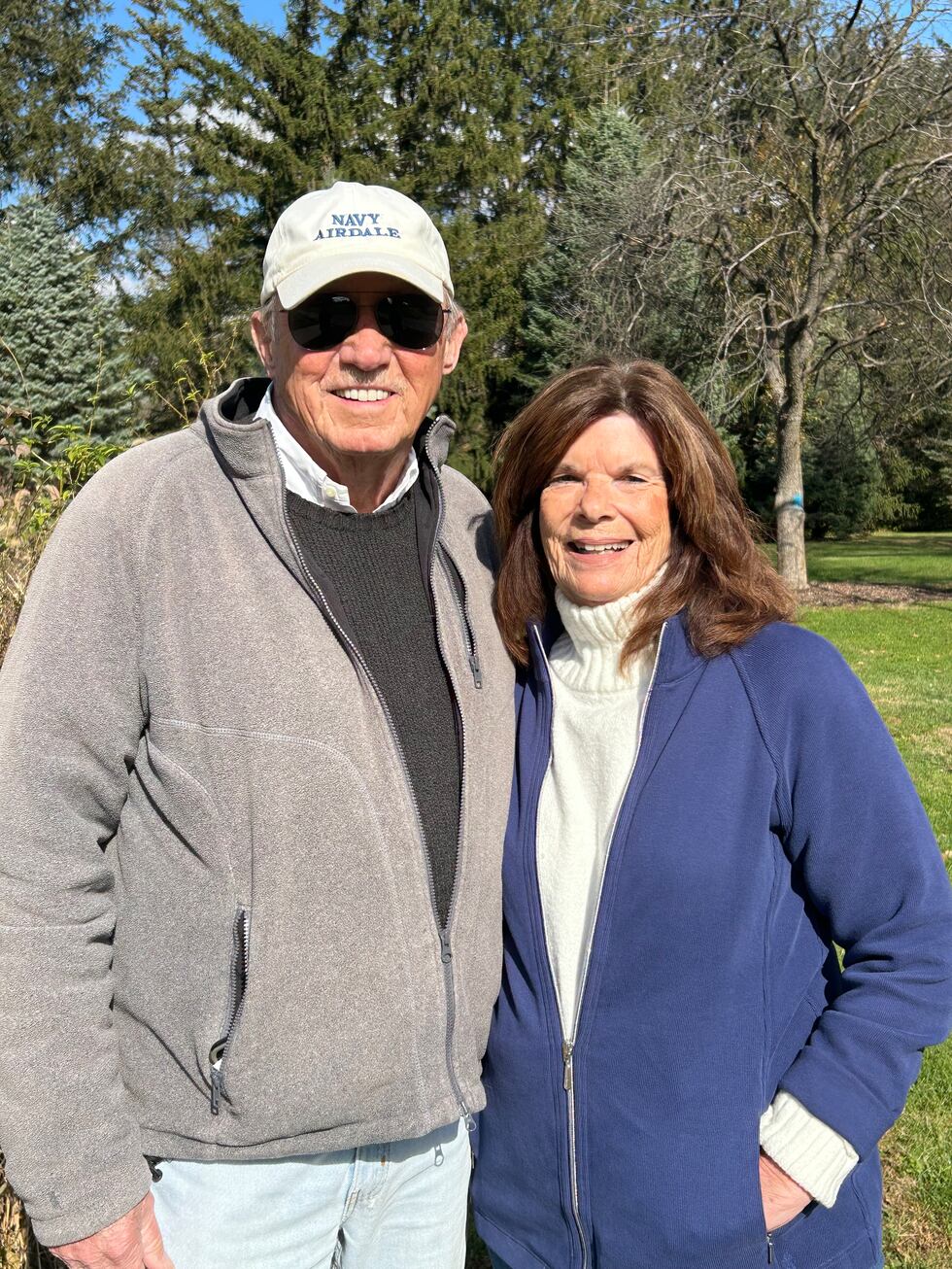
Larry also listened to the urging of his wife, Jackie, who is a retired registered nurse with 45 years of experience.
“If we had put it off, I think his outcome would have been much different,” Jackie said.
At Mercy, Larry underwent a low-dose CT scan, which is a quick and painless imaging test that helps detect lung cancer before symptoms appear.
“The screening was simple, just a few minutes of my life,” he explained.
The scan showed something suspicious, which led to a biopsy that confirmed early-stage lung cancer in the upper lobe of his right lung.
“After 13 procedures within 50 days, I was in surgery,” Larry said. “They opened me and
took the right upper lung, removed it with the cancer. They also took out other nodes to test those to make sure it wasn’t moving through. They had good margins, so I didn’t have to have chemo or radiation afterwards.”
From diagnosis through surgery, Larry’s care moved quickly with a Mercy team that brought together expertise from several specialties: Pulmonologist Dr. Amal El-Bakush, Cardiothoracic Surgeon Dr. C.C. Lee and Medical Oncologist Dr. JasmineNabi each played a pivotal role in his care, which culminated in successful surgery to remove the cancer.
“It was absolutely perfect,” he said. “The nurses, doctors, pulmonologists, oncologists – an entire team was involved. It was a team effort, quick and concise.”
Dr. El-Bakushsaid Larry’s story was exactly what early detection was designed to achieve.
“When we screen people, they don’t have symptoms,” Dr. El-Bakush explained. “We’re trying to find early cancers, and finding cancers early means we have a better chance of cure and survival.”
She said Larry’s case was a perfect example of screening working as intended.
“He had no symptoms,” Dr. El-Bakush said. “Once that cancer was found, it was early enough for him to get curative treatment, which was surgery. If he didn’t get this, it would have grown and gotten worse, and we would have discovered it once he had symptoms, which is often too late.”
After surgery, Larry recovered quickly and returned to his normal, active lifestyle.
“I feel great,” he said. “I don’t have any breathing issues. I’m doing everything I used to do. Maybe I’m in better shape than I was.”
He now spends his time doing the things he loves, like sailing, gardening, hiking, and restoring his old car. He and Jackie also enjoy traveling.
According to Dr. El-Bakush, lung cancer screening is recommended for people between 50 and 80 years old who have smoked at least 20 pack-years and who still smoke or have quit within the past 15 years.
“It’s important,” she said. “Before you say no to lung cancer screening, ask about the
details. It does prove that people live longer because we catch cancers earlier and they get curative treatment.”
Mercy’s efforts to encourage lung cancer screening extend beyond Larry’sstory. In 2021, Mercy undertook a system-wide initiative to increase screening rates. Previously, stage 4 had accounted for the largest share of lung cancer diagnoses. But, by 2024, 50% of lung cancers were diagnosed at stage 1, whereas fewer than 15% were diagnosed at stage 4.
Larry hopes his story encourages others to follow their doctor’s advice sooner than he did.
“Don’t make the mistake I did the first year,” he said. “It took some time for them to talk me into this. I’m here to make sure you don’t do what I did.”
If you’re between50 and 80 years old and have a history of smoking, talk to your doctor about a low-dose CT lung cancer screening. It’s simple, quick and covered by most
insurance. It could also save your life.
Start by talking to your primary care provider. Learn more at www.mercycare.org/lungscreening or call Mercy Pulmonology Clinicat (319) 221-8788.